What is glaucoma?
Glaucoma is a condition in which raised pressure within the eye — caused by fluid draining too slowly — progressively damages the optic nerve, the nerve that carries visual signals to the brain.

Clinical speciality
Glaucoma, a leading cause of blindness, occurs when fluid pressure builds up within the eye because drainage is too slow, damaging the optic nerve. This damage is irreversible and first affects peripheral vision before encroaching on central vision in advanced cases. Early diagnosis at TESS allows effective, ongoing treatment.
Glaucoma is a group of eye conditions in which raised pressure inside the eye damages the optic nerve, causing irreversible vision loss that usually starts at the edges of vision. Primary open-angle glaucoma develops gradually with no early symptoms, while angle-closure glaucoma can cause a sudden painful attack. Glaucoma cannot be cured, but early diagnosis and ongoing treatment can help protect remaining vision.
TESS — The Eye Super Specialities, Ghatkopar East, Mumbai diagnoses and manages both open-angle and angle-closure glaucoma, aiming to protect the vision that remains.
Glaucoma is a condition in which raised pressure within the eye — caused by fluid draining too slowly — progressively damages the optic nerve, the nerve that carries visual signals to the brain.
Because open-angle glaucoma has no early warning signs, regular eye examinations are the main way it is detected before vision is lost.
Glaucoma is diagnosed and monitored using intraocular pressure measurement together with optic nerve and visual field assessment.
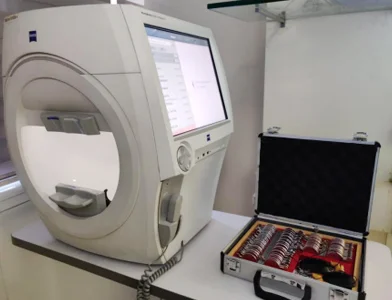
Not every patient needs every test. The examining ophthalmologist decides which investigations are appropriate.
Glaucoma treatment aims to lower eye pressure and protect remaining vision; it does not reverse damage that has already occurred.
| Option | Typically considered for | Advantages | Considerations |
|---|---|---|---|
| Nd:YAG laser (peripheral iridotomy) | Angle-closure glaucoma | Creates an opening in the iris to relieve a sudden rise in eye pressure | Used for the angle-closure mechanism specifically; ongoing monitoring is still needed |
Management of open-angle glaucoma may include eye drops, laser or surgery depending on severity; your ophthalmologist will advise which is appropriate for you
Glaucoma treatment and monitoring is typically lifelong
Glaucoma treatment is ongoing rather than a one-time cure
Laser procedures such as iridotomy typically have a brief recovery with follow-up pressure checks
Regular long-term monitoring is needed regardless of treatment type
The most common type of glaucoma, occurring due to gradual clogging of the eye's drainage canal over time so that fluid cannot drain properly. There are often no warning signs, and vision loss occurs gradually. Early diagnosis allows effective treatment.
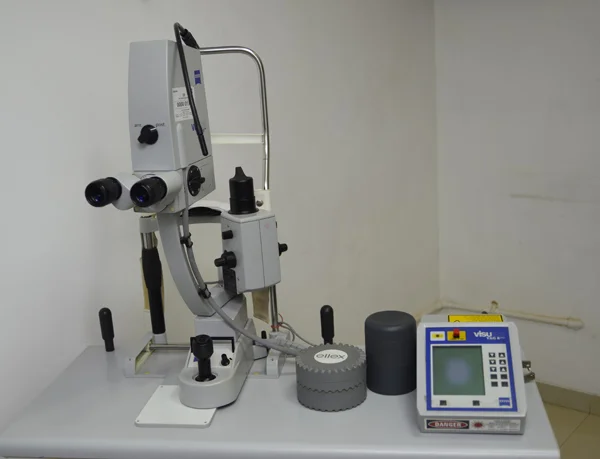
A condition where eye pressure rises very quickly because the drainage canal becomes blocked, similar to a blocked sink. Symptoms include severe eye pain and headaches, nausea, haloes around lights, sudden sight loss and blurred vision.
Request a consultation at TESS, 201, 301, Punit Plaza, next to Rajawadi Post Office, Ghatkopar East, Mumbai, Maharashtra 400077. Call +91-8879117262 or send a request and the clinic will confirm your slot.