Skip to content
TESS — The Eye Super Specialities

Patient education

Eye Care Guides

Plain-language guides from TESS — The Eye Super Specialities, Ghatkopar East, Mumbai — on six common eye health topics for patients and families.

+91-8879117262

Quick answer

TESS eye care guides explain digital eye strain, children's eye testing, eye donation, cataract, LASIK and diabetic eye disease in plain language. Each guide covers symptoms, when to see an ophthalmologist and how TESS in Ghatkopar East, Mumbai evaluates and treats the condition.

Each guide answers the questions patients most often ask, explains when to see an eye specialist, and links to the TESS service that handles that condition. These guides are general education and do not replace an examination by an ophthalmologist.

Digital Eye Strain: Causes, Symptoms and Prevention
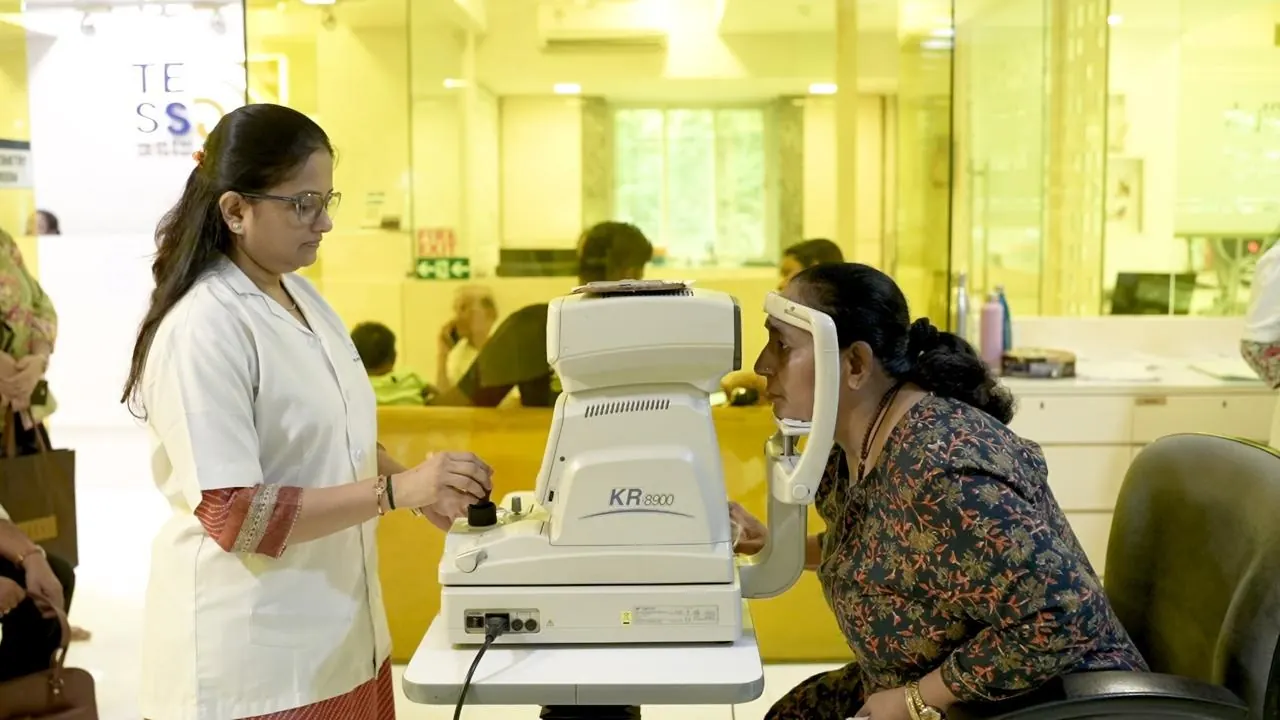
Topcon KR-8900 auto-refractor used for eye power checks at TESS, Ghatkopar East, Mumbai

Digital eye strain is eye discomfort after more than two hours of screen use a day. Reduced blinking dries the eye and constant near focus tires it. The 20-20-20 rule, correct glasses and treating dry eye usually relieve symptoms; persistent symptoms need an ophthalmologist.

Read the full guide →

Why Eye Tests Matter for Children

Two children wearing spectacles, from the original TESS children's eye care article

Children rarely complain about poor vision, so problems like refractive error, squint and lazy eye can go unnoticed. An eye examination is recommended in early childhood and before starting school, and sooner if parents notice warning signs such as eye turning, squinting or sitting close to screens.

Read the full guide →

Eye Donation: What You Should Know

Eye donation awareness illustration from the original TESS eye donation guide

Eye donation lets a donated cornea restore sight through corneal transplant. Eyes can be donated only after death and must be removed within 4–6 hours. Only the cornea is taken, without disfigurement, and people of any age — including those with glasses or diabetes — can donate.

Read the full guide →

Cataracts: Symptoms, Causes and Treatment

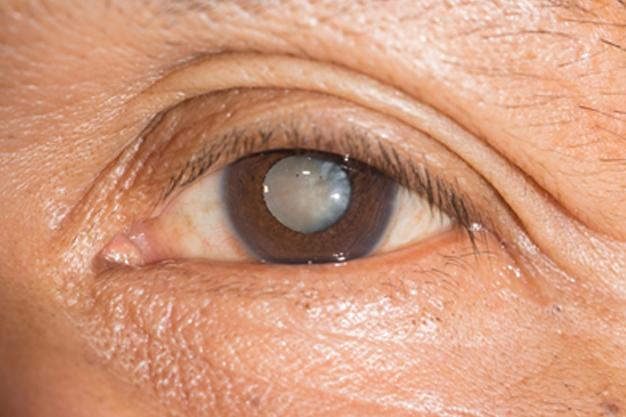
Close-up of an eye with a cloudy lens, from the original TESS cataract guide

A cataract is clouding of the eye's natural lens, causing blurred vision, glare and faded colours. It usually develops with age and cannot be reversed with drops or glasses. When it affects daily life, surgery replaces the cloudy lens with a clear artificial intraocular lens.

Read the full guide →

Is LASIK Right for You?

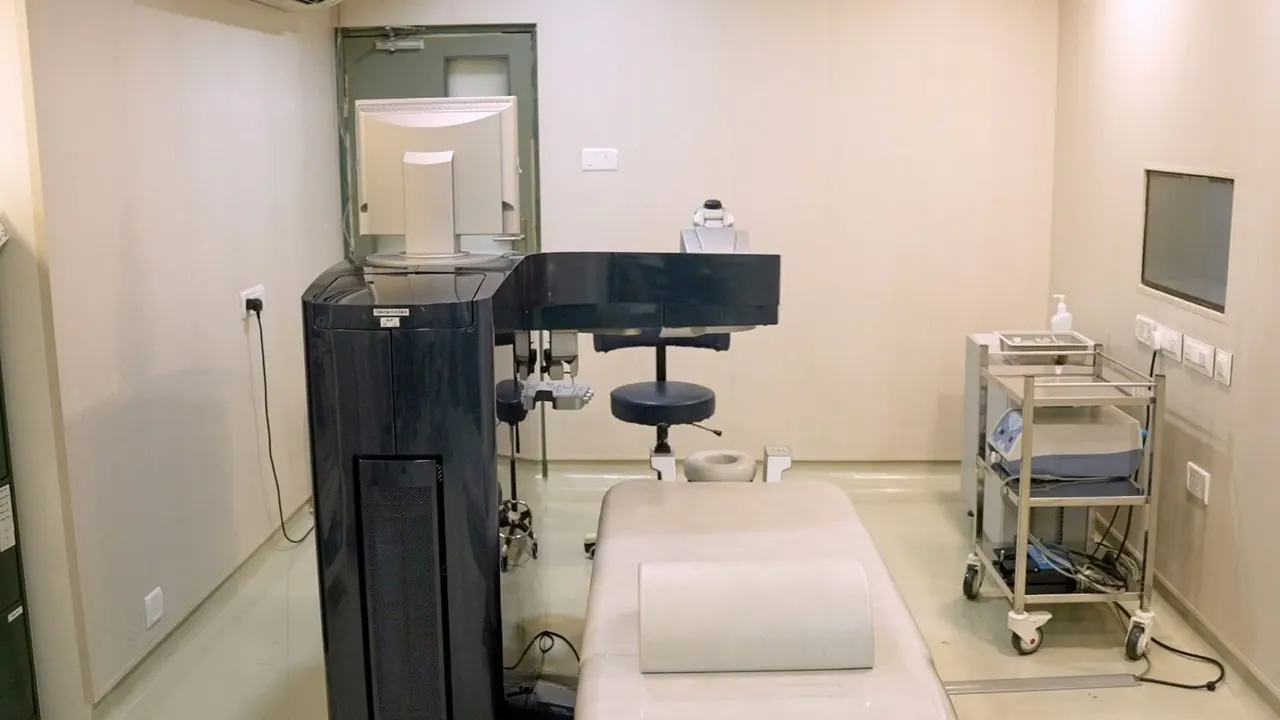
Excimer laser suite for LASIK vision correction at TESS, Mumbai

LASIK is a laser procedure that reshapes the cornea to correct myopia, hyperopia and astigmatism. It is usually considered for adults with stable spectacle power, adequate corneal thickness and healthy eyes. A detailed pre-LASIK evaluation decides whether LASIK or another option suits you.

Read the full guide →

How Diabetes Affects Your Eyes

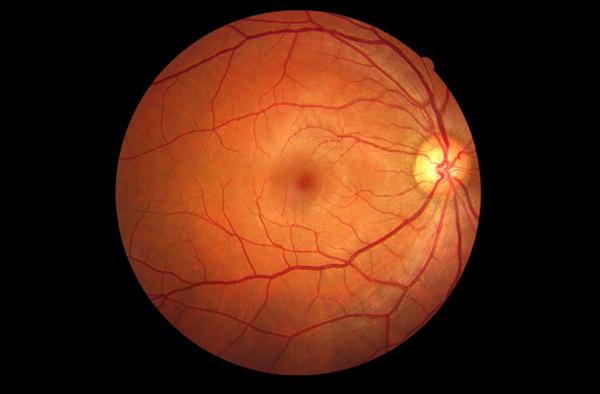
Retinal fundus photograph showing the retina and its blood vessels, from the original TESS retinal diseases page

Diabetes can damage the retina's tiny blood vessels, causing diabetic retinopathy, which often has no early symptoms. A dilated retina examination at diagnosis and at least yearly helps detect it in time. Good control of sugar, blood pressure and cholesterol lowers the risk.

Read the full guide →

Frequently asked questions

How often should a person with diabetes get an eye check-up?
A dilated retina examination is generally recommended at diagnosis and at least once a year after that, or more often if your eye doctor finds changes.
At what age should a child have their first eye test?
An eye examination is recommended in early childhood and before starting school, and sooner if parents notice a squint, eye rubbing or difficulty seeing.
Who is a good candidate for LASIK?
Adults with stable spectacle power, adequate corneal thickness and healthy eyes are usually considered. A pre-LASIK evaluation determines suitability.
Can digital eye strain damage my eyes permanently?
Digital eye strain causes discomfort but is not known to cause permanent damage. Breaks, correct glasses and treating dry eye usually relieve symptoms.
When should cataract surgery be done?
Cataract surgery is usually advised when blurred vision or glare begins to affect daily activities such as reading, driving or work.
Can people who wear glasses donate their eyes?
Yes. People who wear glasses, and people with diabetes or high blood pressure, can donate their eyes after death.

Book an appointment

Request a consultation at TESS, 201, 301, Punit Plaza, next to Rajawadi Post Office, Ghatkopar East, Mumbai, Maharashtra 400077. Call +91-8879117262 or send a request and the clinic will confirm your slot.